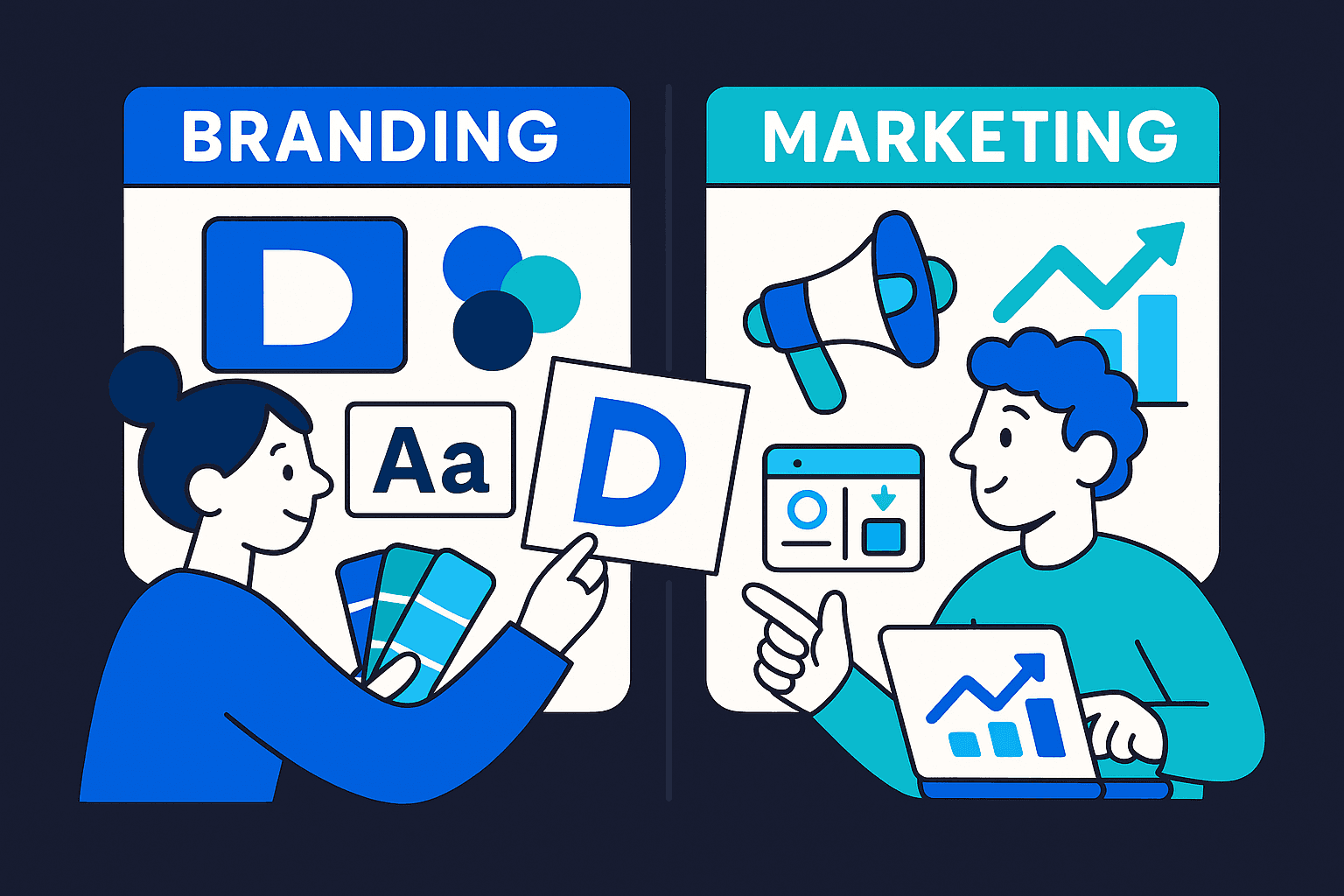
A simple blueprint for turning clicks into clients.
A landing page is the engine behind conversions — the focused, intentional place where visitors decide to engage or exit. The most effective landing pages guide users through a structured path: grabbing attention, clarifying value, building trust, and creating momentum toward action.
The following guide breaks down how to design a landing page that not only looks polished and professional but is engineered to convert, using clean structure, strategic copy, and proven psychological principles.
Crafting the Perfect Above-the-Fold Experience
The top of your landing page determines whether a visitor continues scrolling or leaves. This section must communicate value instantly with absolute clarity and zero friction.
The Hero Headline: Your First and Most Important Impression
Your headline is the anchor of the entire page. It must summarize the outcome or transformation your offer provides — not a clever slogan, not vague inspiration.
A strong hero headline answers one question:
“What will this do for me?”
Avoid overly artistic or ambiguous wording. Clarity is what stops the scroll.
The Subheading: Add Context and Relevance
Your subheading should support the headline by explaining who the offer is for or why it matters. Think of it as the bridge between curiosity and understanding.
Example structure:
Outcome → method or audience → benefit
The CTA: Direct, Singular, and Impossible to Miss
Your primary CTA (call to action) must be the only major action available in the hero section. Avoid multiple buttons, secondary links, or distractions.
Best practices include:
High-contrast button styling
Action-first text (“Get Started”, “Book Your Strategy Call”)
A reassurance micro-line (“Takes 30 seconds”, “No obligation”)
Hero Imagery: Visual Reinforcement, Not Decoration
A contextual visual — such as a mockup, product render, or UI screenshot — should support the message, not compete with it. Good hero visuals create instant understanding without the need for additional explanation.

Building a Clear and Compelling Value Narrative
Once visitors scroll past the hero, they’re looking for clarity, proof, and alignment. This section shapes the narrative of why your offer is worth acting on.
Identify the Core Problem Your Audience Faces
Every effective landing page begins by acknowledging the visitor’s problem or desire. This creates immediate connection — users feel understood, not sold to.
Great problem statements are simple, relatable, and specific.
Explain Your Solution With Absolute Simplicity
Your offer description should be broken into digestible pieces:
What it is
How it works
Why it matters
Avoid industry jargon or long paragraphs. Visitors skim, so formatting must work in your favor.
Highlight Key Benefits, Not Just Features
Features describe what something is.
Benefits describe why it matters.
High-converting landing pages frame every point around the desired transformation.
Instead of:
“Custom-built website layout”
Try:
“A website layout designed to convert more traffic into booked clients.”
Social Proof: The Fastest Trust Builder
People trust what others validate. Early and consistent use of testimonials, client logos, metrics, case studies, or before/after snapshots dramatically increases perceived credibility.
Well-placed social proof reduces skepticism and increases willingness to scroll deeper.
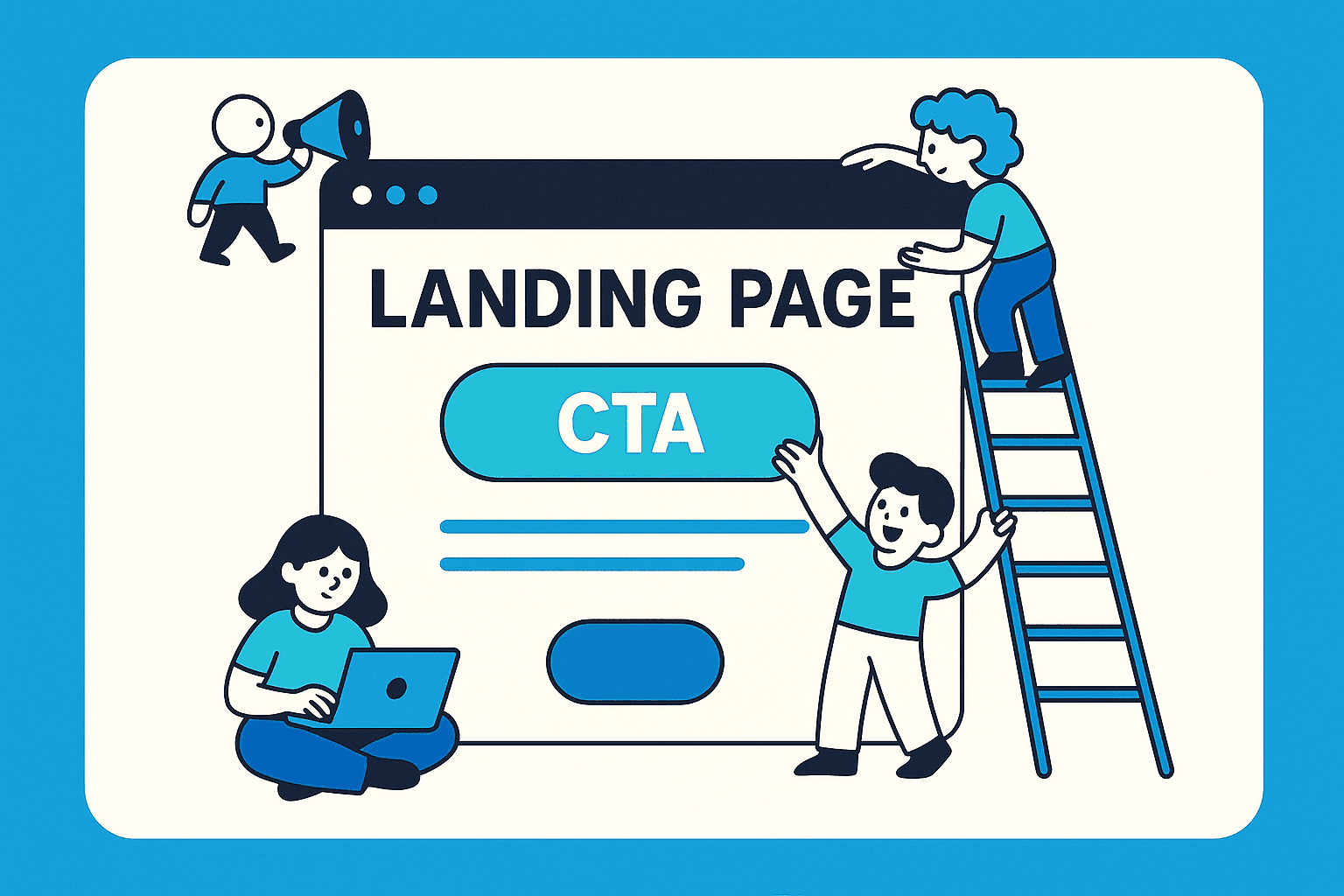
A high-converting landing page is built around simplicity, structure, and psychology — not guesswork. When you guide visitors through a frictionless journey, conversions naturally follow.
If you want help designing a landing page that elevates your brand and consistently drives results, Lunova Creative can build it for you.
Book a strategy call and let’s create something high-performing together.